Jul 1, 2026, 2:36 p.m.
2 min read

Summary
- Bitcoin climbed back toward $60,000 after Fed Chair Kevin Warsh said inflation risks have come down while reaffirming the central bank's 2% target.
- Warsh said AI-driven investment could expand the U.S. economy's productive capacity, with potentially significant implications for future monetary policy.
- Fed officials joined other global central bankers in signaling a move away from explicit forward guidance on interest-rate decisions.
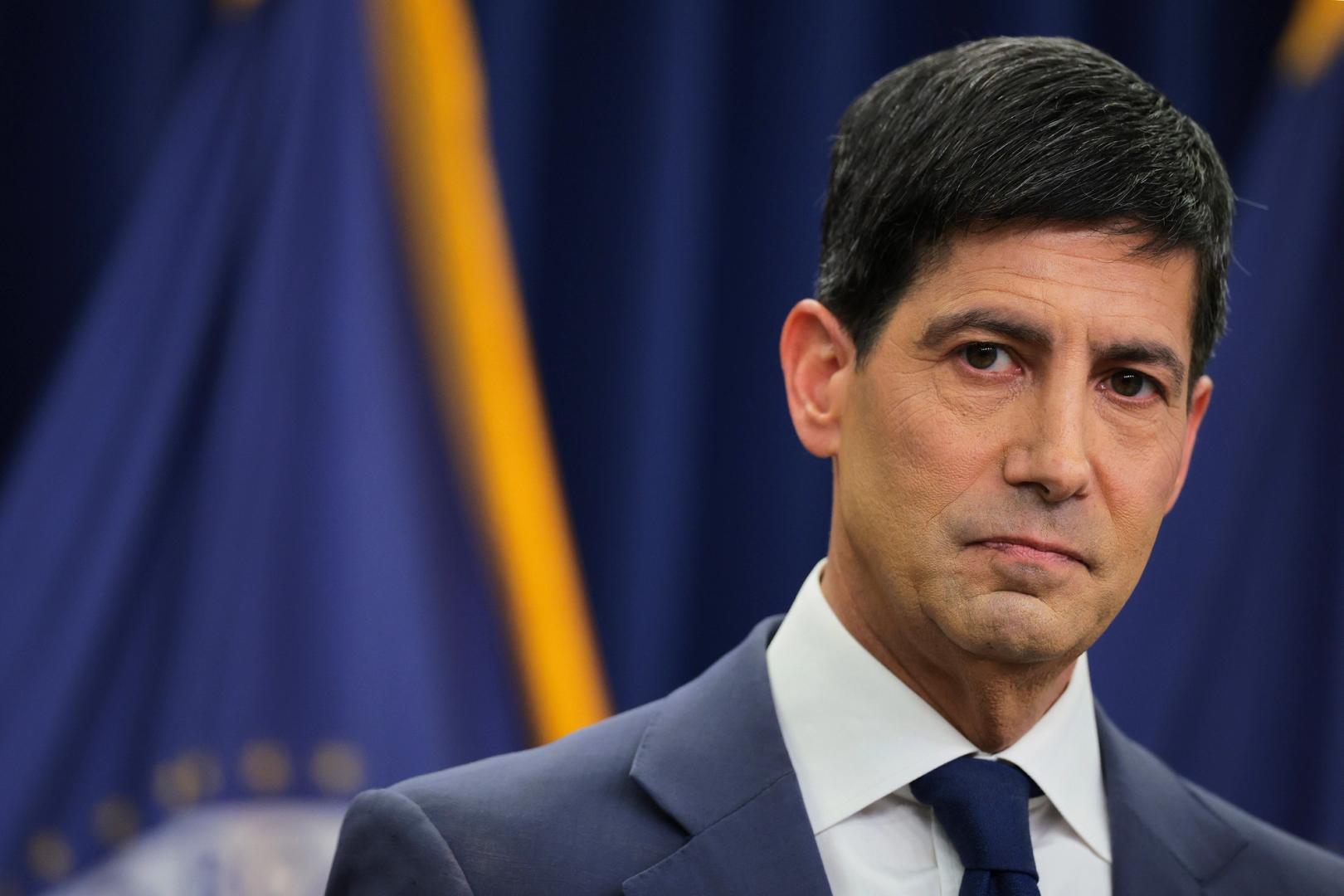
Bitcoin BTC$59,668.44 climbed back toward the $60,000 level on Wednesday after Federal Reserve Chair Kevin Warsh said inflation risks had eased while reaffirming the central bank's commitment to returning inflation to its 2% target.
Warsh declined to provide guidance on the Federal Reserve's next interest-rate decision, saying policymakers would debate incoming data at their meeting in four weekds, during a panel discussion at the European Central Bank's annual forum in Sintra, Portugal.
Instead, he emphasized that the Fed remained focused on price stability.
"Inflation risks have come down," Warsh said. "If there were people in households or the business sector, in the financial markets, who thought that this central bank was going to be comfortable with an inflation objective above 2%, well, I guess they'd be disappointed. We're going to deliver price stability in the U.S."
Bitcoin pared earlier losses to trade back around the $60,000 level, an increase of more than 2% over the past 24 hours, according to CoinDesk Data.
Warsh also pointed to artificial intelligence as a potential force that could reshape the U.S. economy. He said the AI boom is driving a surge in capital expenditures that is currently showing up on the demand side but that he expects will eventually expand the economy's supply side.
Unlike previous periods when companies relied on financial engineering such as share buybacks, businesses are now investing because they expect AI to boost productive capacity, Warsh said. If those investments expand the economy's supply side, it could have "huge implications for monetary policy," although he added it was too early to make that judgment.
The panel also included European Central Bank President Christine Lagarde, Bank of England Governor Andrew Bailey and Bank of Canada Governor Tiff Macklem. They broadly agreed that central banks should move away from explicit forward guidance.
Lagarde said she regretted feeling "bound and compelled" by forward guidance and instead favors what she calls "framework guidance," in which the ECB explains how it reaches policy decisions without signaling a predetermined path for interest rates. Warsh expressed a similar view, saying the Fed's priority is to "get policy right" and that policymakers should discard communication tools if they make it harder to reach the best decisions.
Related Assets
- 1
- 2
- 3
- 4
- 5
- 6
- 7
- 8
- 9
- 10
Building the Zcash Machine: Tachyon and Quantum Readiness

Building the Zcash Machine: Tachyon and Quantum Readiness
Zcash’s Tachyon upgrade aims to scale shielded payments, improve quantum readiness, and test whether its funding, security, and governance can hold.
Jun 30, 2026
Zcash’s Tachyon upgrade aims to scale shielded payments, improve quantum readiness, and test whether its funding, security, and governance can hold.
Why it matters:
Zcash’s Tachyon upgrade aims to scale shielded payments, improve quantum readiness, and test whether its funding, security, and governance can hold.