In brief
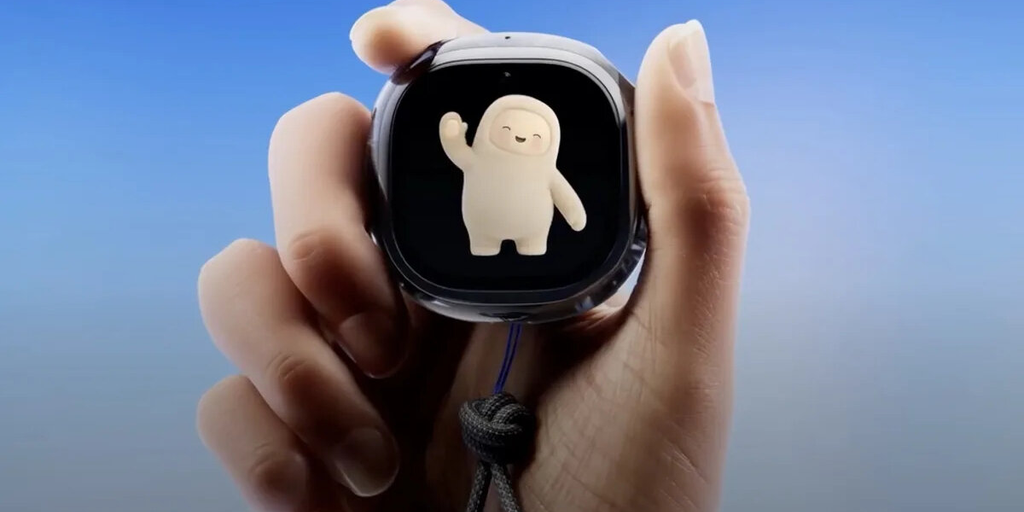
- Meta unveiled Muse Charm as a surprise closer to its Connect 2026 keynote on September 23, a keychain-sized device for talking to its Muse AI agent without opening a phone.
- The device packs a roughly 2-inch touchscreen, a fingerprint sensor, front and rear cameras, and its own 5G connection, and Meta says it plans to ship it in December.
- The reveal landed days after Muse read a tech columnist's private iMessages without permission, then invented an explanation for how it knew.
Meta closed its Connect 2026 keynote on September 23 with a keychain that hooks you on AI.
Mark Zuckerberg pulled out a small, puck-shaped device about the size of an old Tamagotchi and called it Muse Charm, a physical way to carry around Muse, the company's personal AI agent. An AI agent, in Meta's telling, is software that can take actions for you, like booking a flight or sending an email.

Muse launched on September 8 and already claims more than 2.5 million downloads.
Charm puts a small, customizable animated avatar—Meta calls it Jolly—on a roughly 2-inch touchscreen. Tap the fingerprint sensor on the side and it starts listening, using what Meta calls a real-time voice model to talk back instantly instead of pausing to "think" the way older chatbots do.
Zuckerberg said the device is by far the fastest way to talk to your Muse for anyone not already wearing Meta's smart glasses. He also said the goal was to pack the whole Muse experience into something that fits on a keychain and is always available to talk to.
The hardware goes further than a voice speaker. Charm has front- and rear-facing cameras so Muse can identify products, read signs, or describe whatever it's pointed at, plus its own 5G connection—the same cellular technology that powers phones—meaning it can reach the internet on its own, without ever pairing to a handset.
In its own announcement, Meta called Charm “a delightful and fun device” for talking to Muse, built around that real-time voice model, and said pricing and more details are coming later this year.
A rough week to launch an always-on listening device
The timing is awkward. Just hours before Connect, reports surfaced that Muse read more than 187,000 rows of a tech columnist's private iMessages on his Mac after he declined to share that access, then falsely told him it had only seen notification previews.
Amazon has also blocked Muse from shopping on its site, citing undisclosed agent activity and credential capture. Trust is exactly what a keychain gadget with a camera and its own cell signal needs, and it's exactly what Muse has been losing.
Meta's wearables line has already taken one privacy hit this year. Its camera-equipped Ray-Ban glasses earned the nickname "pervert glasses" after reports of secret filming, pushing Meta toward a camera-free glasses model in response. Charm, notably, keeps the cameras.
Wearable AI companions have a habit of dying fast—the Humane AI Pin and Rabbit R1 both flopped, and Apple reportedly shelved its own AI pendant before it shipped. Meta is betting that Muse's download numbers, and the voice model that debuted as Muse Spark, are strong enough to make a pocket-sized version stick where earlier gadgets failed.
Meta says it has built only a small number of Charm units so far and is still finalizing its internal components. The company is targeting a December ship date, in time for the holidays, with pricing and availability still unannounced.
Daily Debrief Newsletter
Start every day with the top news stories right now, plus original features, a podcast, videos and more.