Jul 30, 2026, 5:34 p.m.
2 min read

Summary
- A group of major lenders settled real cross-border payments using tokenized central bank reserves and commercial bank deposits across six currencies in a major test of the technology stack.
- The test processed about $1 million in transfers through 30 transactions that settled in roughly 80 seconds on a shared ledger, improving traceability while operating alongside existing payment systems.
- By enabling simultaneous foreign-exchange settlement and a single shared record of ownership, the project aims to reduce risks and costs in cross-border payments as part of a broader shift toward tokenized financial assets.
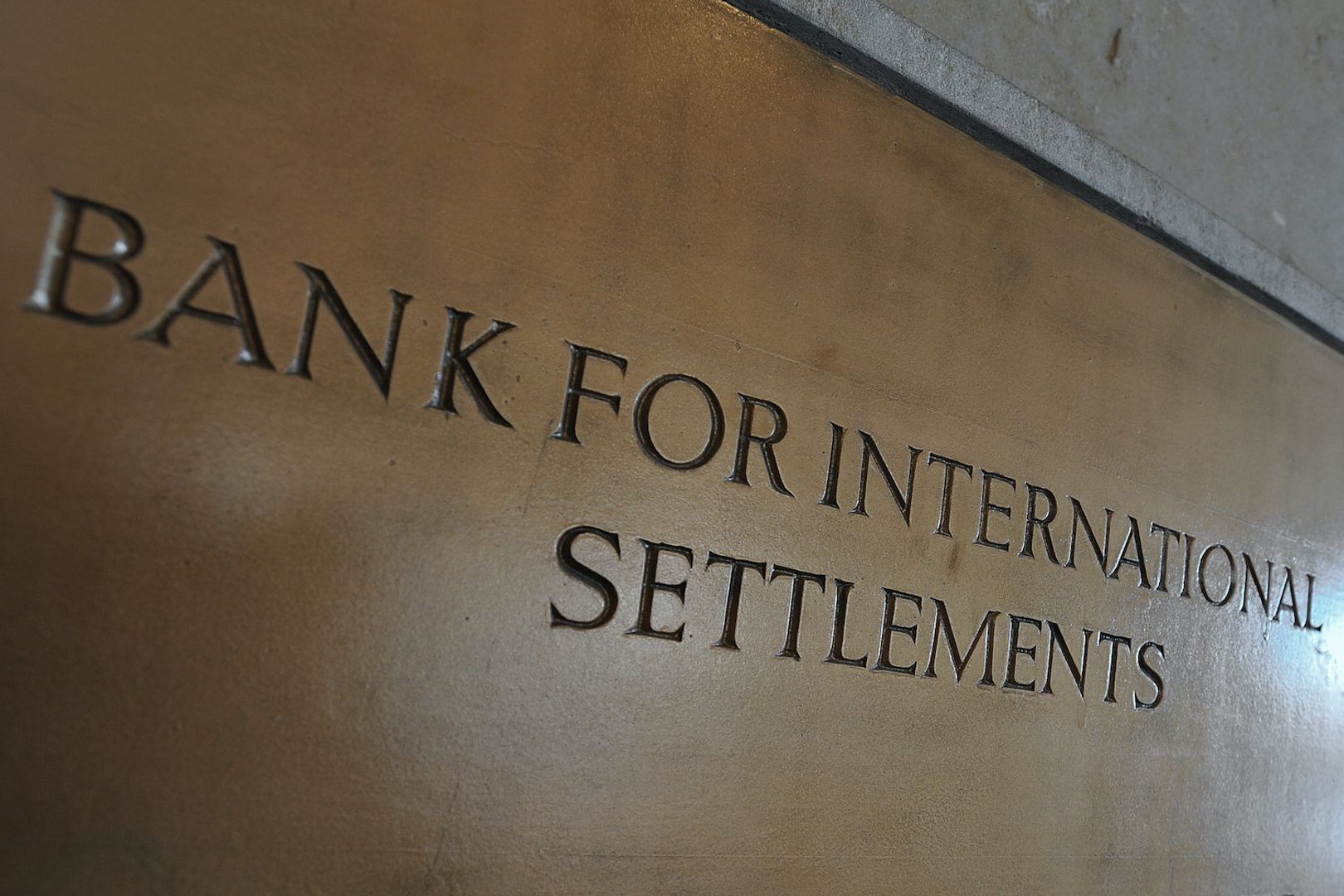
Some of the world's biggest banks have completed real cross-border payments using tokenized money in a test led by the Bank for International Settlements (BIS), another sign that tokenization is moving into the plumbing of global finance.
Project Agorá, which brings together five central banks and 28 commercial lenders including JPMorgan, Citi, UBS, Deutsche Bank and Standard Chartered, processed roughly $1 million (CHF 800,000) in real-value transactions across six currencies — the U.S. dollar, euro, British pound, Japanese yen, Swiss franc and South Korean won.
The pilot used tokenized central bank reserves and commercial bank deposits to settle corporate, interbank payments perand foreign exchange settlements. The payments settled in an average of about 80 seconds, even though the prototype was not directly integrated with banks' existing payment infrastructure, the BIS report said.
The project fits into a broader shift as stablecoins and tokenized assets gain traction across global finance. Asset managers have begun issuing tokenized money market and private credit funds, while stablecoins are increasingly being used for cross-border payments and corporate treasury operations.
A new model for cross-border payments
Project Agorá explores whether the same technology can modernize the infrastructure banks use to move money internationally.
Unlike stablecoins, which are typically issued by the private sector like Circle (CRCL) and Tether, the BIS’ Project Agorá tokenizes two forms of traditional bank money: central bank reserves used by commercial banks to settle with one another, and commercial bank deposits held by customers.
Today's cross-border payments often pass through multiple correspondent banks, with each institution maintaining its own records before funds are finally settled. The BIS pilot instead placed tokenized money on a shared ledger, allowing banks to complete transactions while sharing a single record of ownership and payment status.
The project also tested foreign exchange payments, allowing banks to exchange two currencies at the same time instead of waiting for one side of the transaction to settle before completing the other. That reduces the risk of one party sending money without receiving the other currency in return.
The banks involved also said the platform made it easier to track payments from start to finish and worked alongside existing payment systems instead of replacing them.
Project Agorá is one of several wholesale tokenization efforts underway as central banks and commercial lenders explore how digital money could modernize the plumbing behind global financial markets.
- 1
- 2
- 3
- 4
- 5
- 6
- 7
- 8
- 9
- 10
Anvil: The Missing Collateral Layer

Anvil: The Missing Collateral Layer
Anvil is a shared on-chain collateral layer built on a programmable letter of credit: reserve assets as a guarantee -no loan, no interest, keep custody & yield.
Jul 29, 2026
Anvil is a shared on-chain collateral layer built on a programmable letter of credit: reserve assets as a guarantee -no loan, no interest, keep custody & yield.
Why it matters:
Anvil is a shared on-chain collateral layer built on a programmable letter of credit: reserve assets as a guarantee -no loan, no interest, keep custody & yield.