Jul 10, 2026, 4:02 p.m.
2 min read

Summary
- As Friday winds to a close, the U.S. housing-affordability bill will become law, along with an unrelated provision that imposes a four-year ban on a U.S. central bank digital currency.
- The restriction will block the Federal Reserve from issuing a digital dollar that could compete with private-sector stablecoins, though the central bank was not working toward that goal.
The crypto industry's long animosity toward the idea of a U.S. central bank digital currency (CBDC) will be rewarded with a ban under the housing bill set to pass into law in the first moment of Saturday.
For four years, the Federal Reserve won't be permitted to issue its own digital dollar, which Republican lawmakers have held up as a threat of potential overreaching government surveillance, though there hasn't yet been a serious effort in the U.S. to institute one. The restriction was part of Congress' bipartisan housing-affordability bill that President Donald Trump refused to sign into law.
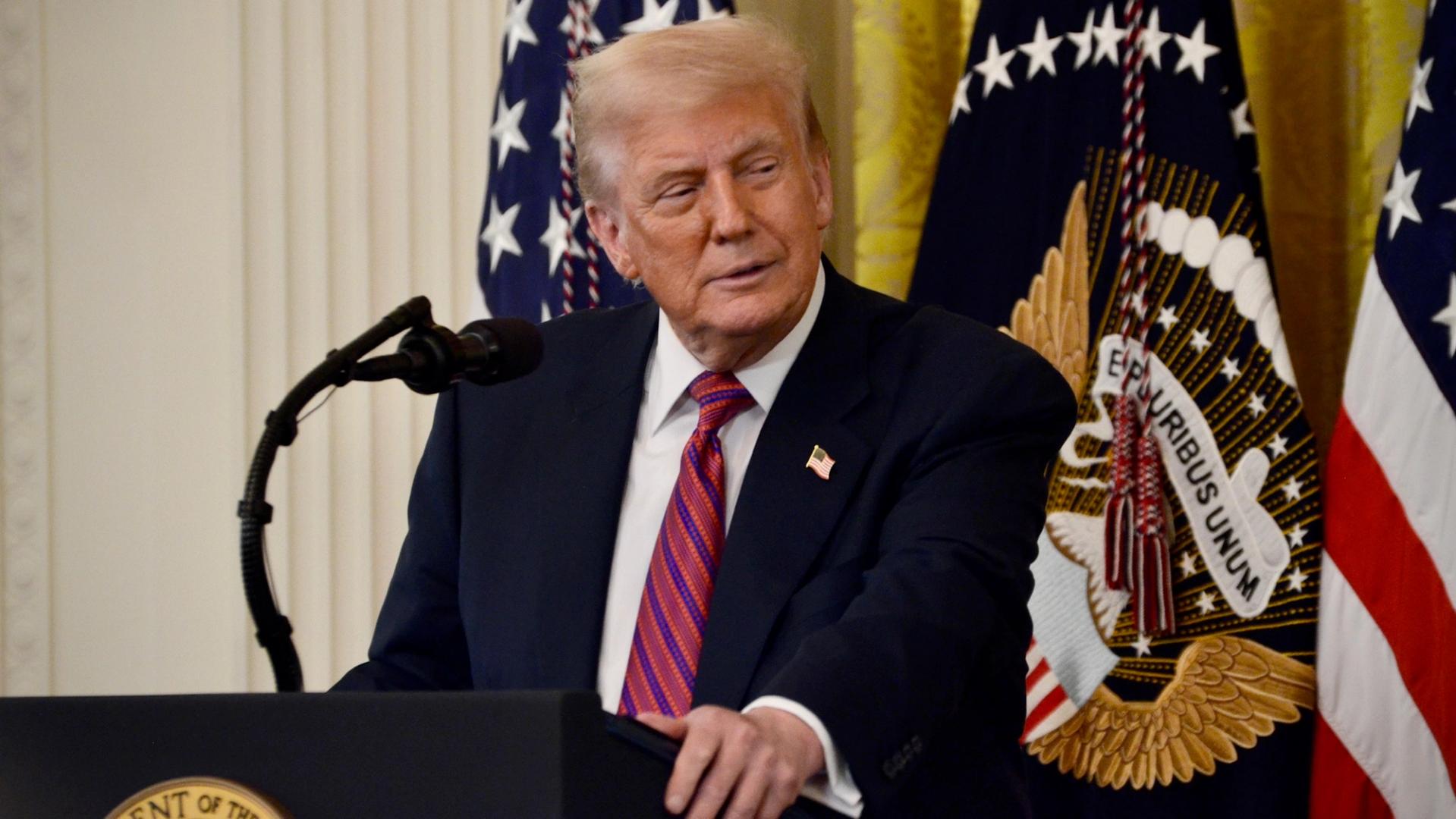
"I will not sign the Housing Bill, which has been fully approved by Congress and sent to the White House, in PROTEST over the fact that the United States Senate is not capable of passing THE SAVE AMERICA ACT," the president wrote in a Friday post on his Truth Social website.
The U.S. Constitution, however, says that once the president is given a congressionally approved bill, it becomes law after a 10-day window whether he signs it or not. Trump hasn't chosen to formally veto the bill, so it's now set up for a midnight passage.
The CBDC limit expires at the end of 2030, though there was little chance that a Fed digital currency would have been executed by then. There's been limited appetite at the central bank, where its previous leadership — even before the arrival of Trump's newest Fed chair, Kevin Warsh — had long said that such an effort would require backing from the White House and congressional authorization. There's never been wide support for a CBDC in Congress.
But the idea — strongly opposed by the crypto industry for its potential to compete with privately issued stablecoins — has been pursued in other jurisdictions, such as Europe and China, and it became a popular political target for U.S. politicians. So Republicans managed to slip it into the unrelated housing legislation, after previously trying to include it in a range of bills including the Foreign Intelligence Surveillance Act.
Despite the overall housing bill's popularity, Trump took an unexpected, last-minute stand against signing it, for which he'd previously scheduled a ceremony and had a stage erected. He declared that he wouldn't sign anything until lawmakers approved a bill that would impose new proof-of-citizenship and identity checks on voters — an effort without sufficient current support to pass in Congress.
- 1
- 2
- 3
- 4
- 5
- 6
- 7
- 8
- 9
- 10
Digital Assets: Quarterly Review and Outlook Q2

Digital Assets: Quarterly Review and Outlook Q2
Digital assets posted a third consecutive quarter of losses in Q2 2026, the longest losing streak since the 2022 bear market, as institutional capital rotated into AI equities and Bitcoin ETFs recorded their largest quarterly outflow since launch. Our report examines what drove the divergence, where structural adoption continued regardless, and what Q3 signals to watch.
7 hours ago
Digital assets posted a third consecutive quarter of losses in Q2 2026, the longest losing streak since the 2022 bear market, as institutional capital rotated into AI equities and Bitcoin ETFs recorded their largest quarterly outflow since launch. Our report examines what drove the divergence, where structural adoption continued regardless, and what Q3 signals to watch.
Why it matters:
Digital assets posted a third consecutive quarter of losses in Q2 2026, the longest losing streak since the 2022 bear market, as institutional capital rotated into AI equities and Bitcoin ETFs recorded their largest quarterly outflow since launch. Our report examines what drove the divergence, where structural adoption continued regardless, and what Q3 signals to watch.