Jul 19, 2026, 6:30 p.m.
4 min read

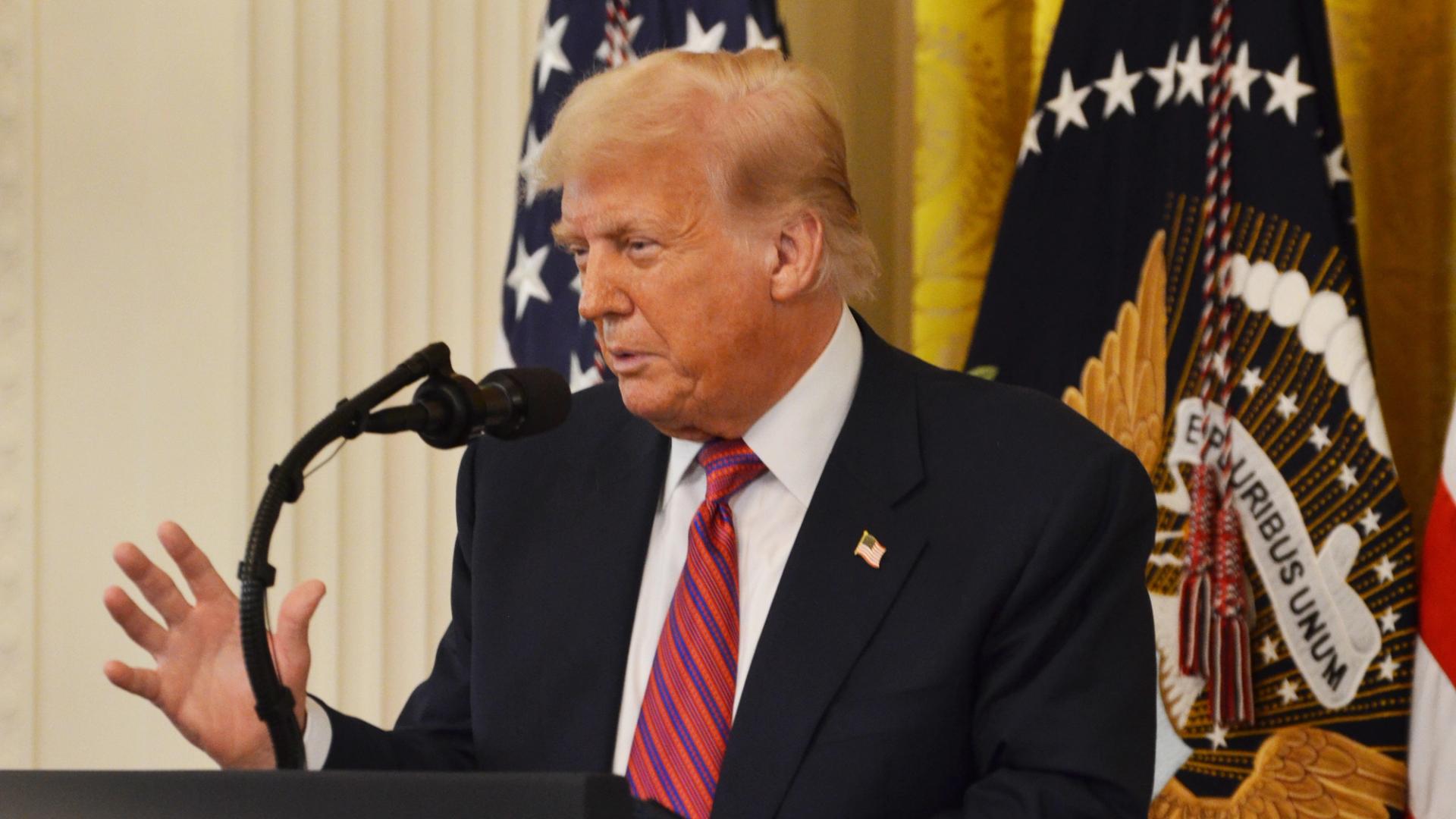
President Donald Trump signed the Guiding and Establishing National Innovation for U.S. Stablecoins (GENIUS) Act into law a year ago, setting the U.S. on a course to establish federal regulations for stablecoins for the first time. A year on, regulators are still working their way through the process of actually crafting the rules that stablecoin issuers will have to abide by.
You’re reading State of Crypto, a CoinDesk newsletter looking at the intersection of cryptocurrency and government. Click here to sign up for future editions.
Stablecoin rules
The narrative
The GENIUS Act became law a year ago yesterday, directing federal regulators to begin sorting out how stablecoins should be governed.
Why it matters
The law set up a broad direction for how stablecoin issuers can handle reserves, governance and operational needs, with the details left to agencies like the Office of the Comptroller of the Currency or the Federal Depository Insurance Corporation.
Breaking it down
With the GENIUS Act's implementation, the U.S. launched its first major federal law addressing cryptocurrencies, even if GENIUS only targets a small subsection of that sector.
A year on, the rules aren't quite ready for implementation, but we have a much clearer idea as to how the regulators are thinking about stablecoins and where they're likely to land on those rules.
In an emailed statement, Crypto Council for Innovation CEO Ji Hun Kim called the passage of the bill "a landmark moment."
"A year in, agencies, institutions, and innovators are building on a clearer foundation, and stablecoins are moving rapidly toward mainstream adoption," he said.
The various regulators have proposed rules out for comment on the different aspects of stablecoin governance and regulation, including a proposal that would require stablecoin issuers to conduct similar know-your-customer checks to more traditional financial firms. The FDIC published 144 questions a few months ago about how it would oversee stablecoin issuers, looking at concerns like custody, capital and liquidity standards. The OCC, for its part, put out its own proposal in February laying out how it was interpreting the law.
There's still a few months left before these rules start being finalized. And in the meantime, the industry is still working on getting the Digital Asset Market Clarity Act passed.
Clarity watch
The text of the combined Clarity Act drafts is not yet public, at least as of Friday night. While industry sources expected the bill to be released last week, the timeline has constantly evolved. On Thursday, Senators Cynthia Lummis and Bernie Moreno were supposed to brief Trump on the bill. There was no public readout of that meeting available after, but both lawmakers tweeted about Trump's remarks on the election later Thursday.
There are a number of outstanding issues standing between the bill and passage, but the biggest one remains the lack of an ethics provision that would block senior government officials from profiting off of their own crypto ventures.
There is no bipartisan agreement on ethics as of press time, individuals following the issue told CoinDesk last week.
In an emailed statement on Thursday, Senator Elizabeth Warren said she was asking Trump for a financial disclosure that included the first half of 2026, after his 2025 disclosure noted he made over $1.4 billion off of various crypto ventures.
A voluntary disclosure would "provide Congress with information it needs to effectively address governmental ethics concerns," her press release said.
"Unfortunately, [the 2025 disclosure] is not an up-to-date reflection of your finances: it does not account for any changes that have taken place in recent months," Warren said in a letter directed to Trump. "You are not required to file information on your Annual Report for 2026 with [the U.S. Office of Government Ethics] until May 15, 2027."
On the other end of the scale, a subcommittee from the House Financial Services Committee held a hearing Friday about what the Clarity Act will do for crypto. Rep. Bryan Steil, who chairs the digital assets subcommittee, said in his opening remarks that Congress needed to pass the bill to ensure growth in the digital assets market.
"Our goal is clear: replace regulation by enforcement with clear rules of the road for digital assets," he said. "For 250 years, America has led the world in financial innovation. For 15 years, blockchain technology has redefined what's possible. For 10 years, Congress has worked to write the rules of this new financial frontier, and for one year we have had a statutory framework for payment stablecoins. Now it's our turn to meet the moment."
It remains to be seen what sort of agreement lawmakers can find on ethics and the other outstanding issues before lawmakers leave town.
This week
Tuesday
- 14:00 UTC (10:00 a.m. ET) A subcommittee from the House Agriculture Committee will hold a hearing on prediction markets.
If you’ve got thoughts or questions on what I should discuss next week or any other feedback you’d like to share, feel free to email me at nik@coindesk.com or find me on Bluesky @nikhileshde.bsky.social.
You can also join the group conversation on Telegram.
See ya’ll next week!
- 1
- 2
- 3
- 4
- 5
- 6
- 7
- 8
- 9
- 10