Jun 29, 2026, 5:57 p.m.
2 min read

Summary
- Silicon Valley Bank said bitcoin lending has shifted toward overcollateralization, transparency and institutional risk management following the failures of BlockFi, Celsius and Genesis.
- Institutional momentum is building as banks expand bitcoin-backed lending, crypto-backed loans reach $67 billion, and Ledn completes the first investment-grade-rated BTC-backed ABS.
- More bank and private credit capital could drive borrowing costs lower, while the Lightning Network may improve the speed and efficiency of bitcoin-backed lending, the report said.
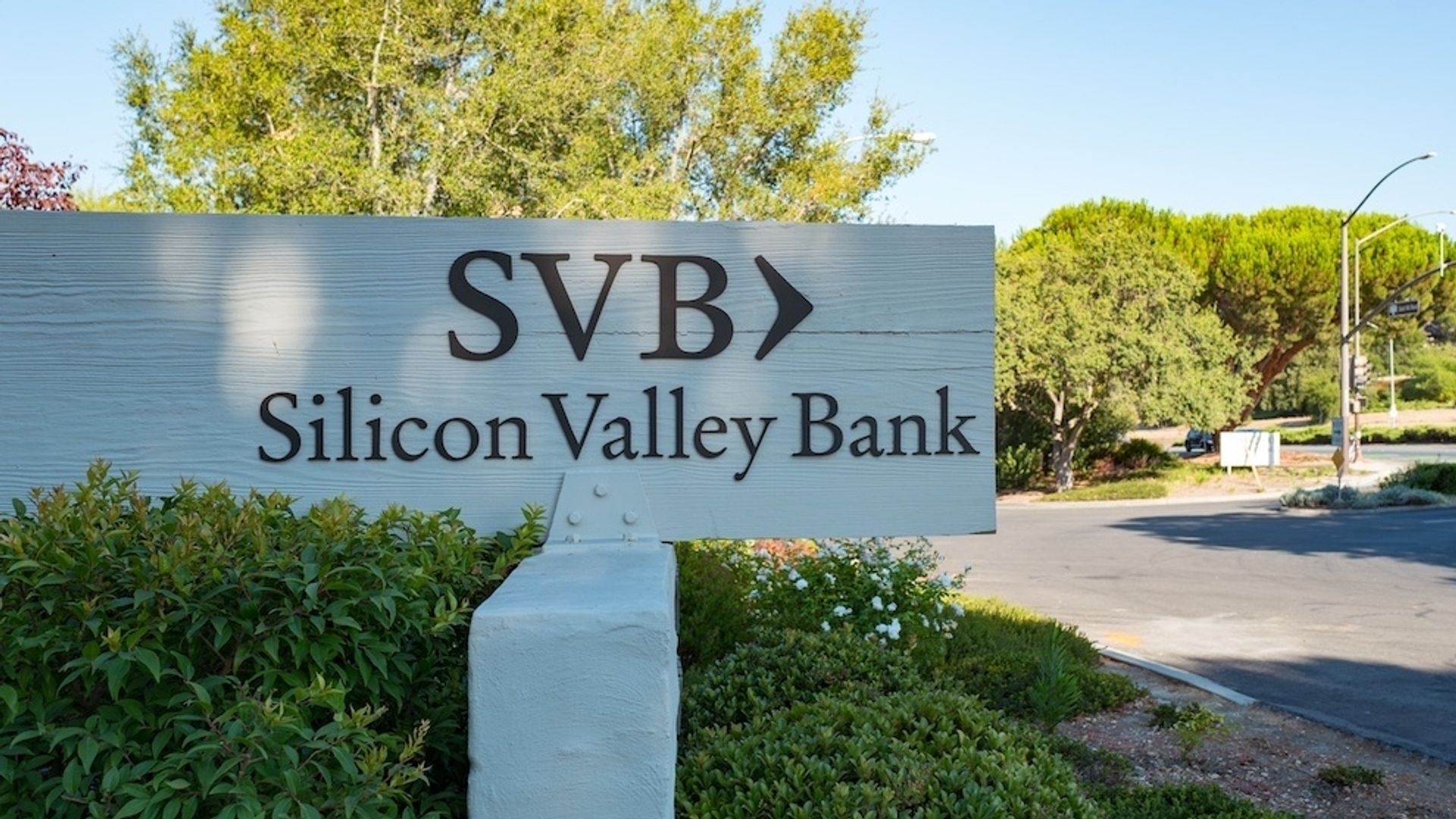
Bitcoin BTC$60,452.84 lending is evolving into a more mature, institutionally driven market after the turmoil of 2022, Silicon Valley Bank said in a report last week.
What was once dominated by lightly regulated crypto lenders is increasingly adopting the conventions of traditional finance, including conservative collateral management, greater transparency and more disciplined underwriting, the bank argued.
"Bitcoin has spent much of its existence seeking to prove it belongs," wrote authors Anthony Vassallo, director of crypto at the bank, and research analyst Josh Pherigo. "Some now view it as collateral with instant and global liquidity, fast settlement, fungibility and minimal risk," they added.
Institutional participation is also expanding. The authors said that several major U.S. banks now offer bitcoin-backed credit facilities, while total crypto-backed lending has climbed to $67 billion, up 49% year over year.
Bitcoin-backed lending remains a small but fast-growing corner of credit markets. Lending firm Ledn estimates today’s consumer BTC-backed loan market at roughly $3 billion, but argued last month it could scale toward $1 trillion over the next decade as more long-term BTC holders seek liquidity without selling their coins.
The growth case rests on a simple dynamic: as bitcoin ownership broadens and prices rise, holders increasingly want to borrow against appreciated collateral for tax efficiency, working capital or lifestyle needs, while lenders gain comfort underwriting overcollateralized loans secured by a highly liquid asset.
The bitcoin lending industry was reshaped by the failures of Celsius, BlockFi, and Genesis during the 2022–2023 crypto credit crisis. While each firm had different business models, they shared common vulnerabilities: maturity mismatches, excessive leverage, concentrated counterparty exposure and the rehypothecation of customer assets.
Their collapses underscored the importance of conservative underwriting, transparent risk management, and fully collateralized lending-principles that have become the foundation of the next generation of BTC-backed lenders, the SVB report said.
Landmark transactions, including Ledn's $188 million asset-backed security, the first bitcoin-collateralized deal to receive an investment-grade rating from a Nationally Recognized Statistical Ratings Organization, underscore growing confidence in BTC-backed credit structures, according to SVB.
While bitcoin-backed loan rates still generally range from 7.5% to 16% annual percentage rate (APR), well above comparable traditional financing, SVB expects increased participation from banks and private credit funds to narrow spreads over time. Early signs are already emerging, including Strike's recently announced 7.5% rate on term loans larger than $5 million, backed by a $2.1 billion credit facility from Tether.
Looking ahead, the report said the next phase of growth will depend on expanding access to institutional capital as much as borrower demand.
The bank pointed to the Lightning Network as a potential catalyst, enabling near-instant, low-cost collateral transfers, margin calls and liquidations that could make bitcoin-backed lending more efficient and scalable within established financial markets.
Read more: From Wall Street to Web3: This is crypto’s year of integration, Silicon Valley Bank says
AI Disclaimer: Parts of this article were generated with the assistance from AI tools and reviewed by our editorial team to ensure accuracy and adherence to our standards. For more information, see CoinDesk's full AI Policy.
- 1
- 2
- 3
- 4
- 5
- 6
- 7
- 8
- 9
- 10
The Evolution of the Crypto CEX Landscape: A Case Study on Binance

The Evolution of the Crypto CEX Landscape: A Case Study on Binance
Binance remains crypto’s leading exchange, expanding from spot and derivatives into RWAs, payments, savings, yield, and broader financial services.
7 hours ago
Binance remains crypto’s leading exchange, expanding from spot and derivatives into RWAs, payments, savings, yield, and broader financial services.
Why it matters:
Binance remains crypto’s leading exchange, expanding from spot and derivatives into RWAs, payments, savings, yield, and broader financial services.