Aug 4, 2026, 1:00 p.m.
3 min read

Summary
- Crypto Watchdog has suddenly appeared to trumpet about the dangers of crypto in the 11th hour of the Senate’s Clarity Act negotiations, but the group’s financial backing is being kept secret.
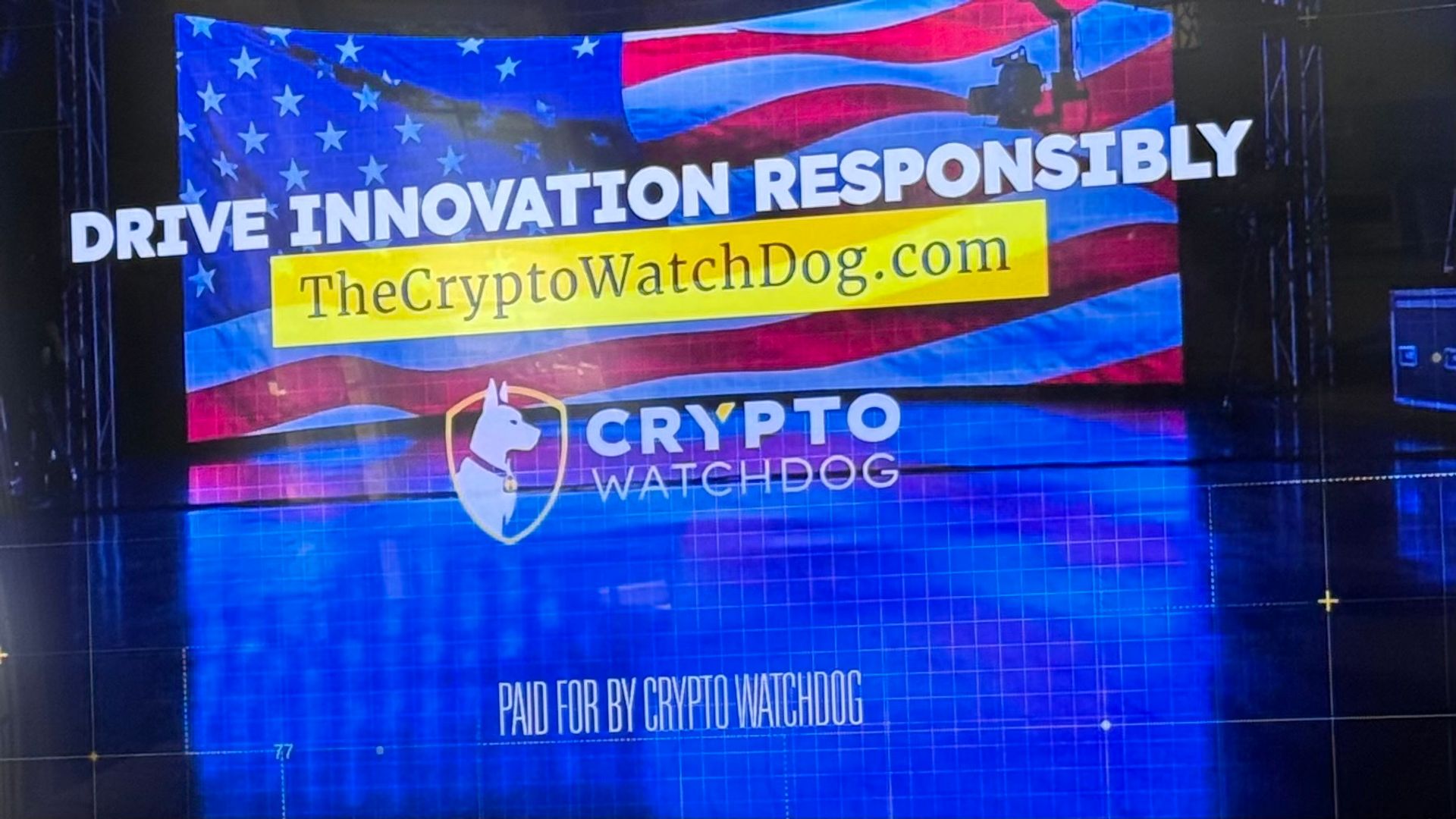
- The organization has been running TV and online ads in the Washington area, linking digital assets with terrorists and drug cartels as lawmakers try to finish work on the crypto market structure legislation.
The crypto industry's central policy drive is to get U.S. laws that elevate it to a fully regulated and government-approved corner of the financial system. While the legislation to do that is struggling with its final Senate test, a mystery organization is flooding Washington, DC, with ads linking crypto to terrorists and drug cartels.
Across television and social media, the localized campaign warns in one example: "The worst people operating in the darkest places use crypto because there are no guardrails," citing connections to drug cartels, terrorists and people praying against seniors.
"Let's bring crypto out of the shadows now," the ads say.
The recently emerging group behind the campaign is Crypto Watchdog, run by Executive Director Chapin Fay, a media strategist who had been involved in past Republican political campaigns but hadn't been previously associated with crypto matters.
"Our mission is fairly simple and direct," he told CoinDesk in an interview. "It's to bring sunlight and transparency to an over-$2 trillion industry that has historically not been very transparent."
His organization started work several weeks ago as the Digital Asset Market Clarity Act has been heading toward the intense endgame of its U.S. Senate negotiations, in which many Democrats and some Republicans have wavered or stridently withheld their support as some of the bill's most contentious points are debated.
"As the public dialogue and debate is going on about the Clarity Act and other regulatory schemes, we want the decision makers and the American public to have all the information that they possibly can and understand the risks in each different category," Fay said.
A June survey it commissioned of 1,000 voters suggested that 65% of them viewed crypto with a "high level of distrust," the group reported — similar to findings in a CoinDesk survey earlier in the year in which 60% of respondents saw crypto as a mostly negative force in the economy.
Crypto Watchdog's push for transparency doesn't extend to its own backers. Similar to certain dark-money efforts on the other side of the crypto ledger, such as the multi-million-dollar, pro-crypto Cedar Innovation Foundation that's pitted itself against Democratic officials, it's not revealing the sources of its funding.
When Fay was asked who was paying for the organization's activity, he said, "I'm not going to speak for our funders." And when asked whether transparency should go both ways, he argued that crypto transparency and information about Crypto Watchdog's supporters are "apples and oranges."
Fay contends his group isn't "anti-crypto," though its website highlights articles on hacks, thefts and scams, delving into the most negative aspects of the sector.
The group's cautionary message keeps circulating this week as the Senate faces its final hours in which lawmakers can either advance or stall the Clarity Act. Many of the earlier issues had been ironed out by lawmakers from both parties until the most significant gap remains a proposed ethics constraint on senior government officials.
Democrats — with President Donald Trump in mind — had demanded the legislation include limits on government officials' crypto activity, and Trump had agreed to a version of this concept. However, most Democrats decried the language of that proposal as far too weak, and a compromise suggestion from a bipartisan duo of negotiators is now awaiting a White House response.
The Senate has entered its final week before its summer recess, and the lawmakers are currently scheduled to finish work on Friday before leaving Washington. Crypto lobbyists see these final few days as the last chance to get at least 60 Senate supporters together to start approving the bill, even if the work has to get finished during Congress' next brief window in September.
One of the Clarity Act's most vehement opposition forces is the banking lobby, which has continued its campaign to convince lawmakers that the crypto sector's stablecoins will threaten U.S. banking deposits if crypto platforms are permitted to shower users with rewards programs that resemble interest payments on deposits.
- 1
- 2
- 3
- 4
- 5
- 6
- 7
- 8
- 9
- 10
The Evolution of the Crypto CEX Landscape: A Case Study on Binance

The Evolution of the Crypto CEX Landscape: A Case Study on Binance
Binance remains crypto’s leading exchange, expanding from spot and derivatives into RWAs, payments, savings, yield, and broader financial services.
Jun 29, 2026
Binance remains crypto’s leading exchange, expanding from spot and derivatives into RWAs, payments, savings, yield, and broader financial services.
Why it matters:
Binance remains crypto’s leading exchange, expanding from spot and derivatives into RWAs, payments, savings, yield, and broader financial services.