Jul 10, 2026, 11:41 a.m.
2 min read

Summary
- Circle, issuer of the USDC stablecoin, has received final approval from the U.S. Office of the Comptroller of the Currency to establish a federally supervised national trust bank.
- The new entity, Circle National Trust, will initially provide fiduciary digital asset custody services for Circle and its affiliates, with potential expansion to select institutional clients such as banks and other regulated financial firms.
- The charter positions Circle to eventually manage the reserves backing its roughly $73.2 billion USDC stablecoin under OCC oversight, deepening federal integration of major dollar-pegged crypto assets.
Circle (CRCL), the issuer of the world's second largest stablecoin USDC, received approval from the U.S. Office of the Comptroller of the Currency (OCC) to establish a national trust bank.
National trust banks are authorized to provide users with custody and fiduciary services but do not accept consumer deposits or make loans like traditional commercial banks.
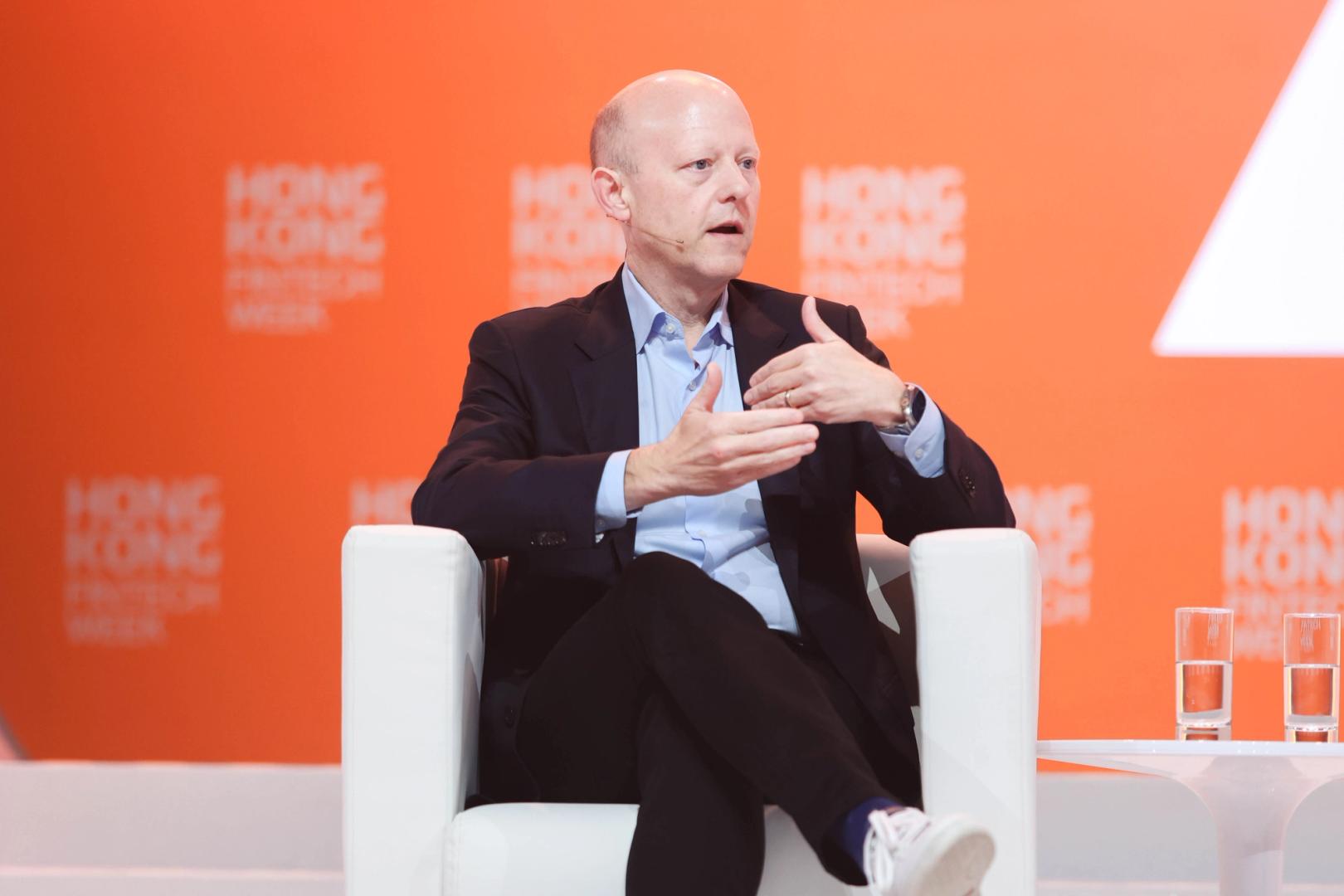
"OCC approval to establish Circle National Trust marks a defining step in bringing blockchain technology and digital assets into the core of the U.S. financial system," Circle CEO Jeremy Allaire said Friday in a statement announcing the milestone. "Federal oversight of our trust bank sets a new standard for transparency, governance, and scale for Circle's infrastructure."
The move comes as crypto firms such as Kraken, increasingly seek federal charters, licenses and banking approvals. Crypto.com secured an OCC license in February to operate as a federally regulated crypto custodian bank. BitGo, Circle, Ripple, Paxos, and Fidelity Digital Assets all received similar conditional approvals in December.
Circle’s bank, which will operate as Circle National Trust, will provide fiduciary digital asset custody services for Circle and its affiliates when it opens, according to its statement. Under its approved business plan, the bank could later offer custody services to a limited number of institutional customers, including banks and other regulated financial institutions.
The charter also allows Circle to pursue future plans to manage reserves backing its USDC stablecoin under OCC supervision, though the company said reserve management remains a future capability.
Circle applied for the charter in June 2025 and received conditional approval six months later. The OCC's final approval places the trust bank under direct federal oversight.
Circle’s USDC is the second-largest U.S. dollar-pegged stablecoin with about $73.2 billion in circulation. Tether’s USDT is the largest with $184.1 billion.
- 1
- 2
- 3
- 4
- 5
- 6
- 7
- 8
- 9
- 10
Digital Assets: Quarterly Review and Outlook Q2

Digital Assets: Quarterly Review and Outlook Q2
Digital assets posted a third consecutive quarter of losses in Q2 2026, the longest losing streak since the 2022 bear market, as institutional capital rotated into AI equities and Bitcoin ETFs recorded their largest quarterly outflow since launch. Our report examines what drove the divergence, where structural adoption continued regardless, and what Q3 signals to watch.
3 hours ago
Digital assets posted a third consecutive quarter of losses in Q2 2026, the longest losing streak since the 2022 bear market, as institutional capital rotated into AI equities and Bitcoin ETFs recorded their largest quarterly outflow since launch. Our report examines what drove the divergence, where structural adoption continued regardless, and what Q3 signals to watch.
Why it matters:
Digital assets posted a third consecutive quarter of losses in Q2 2026, the longest losing streak since the 2022 bear market, as institutional capital rotated into AI equities and Bitcoin ETFs recorded their largest quarterly outflow since launch. Our report examines what drove the divergence, where structural adoption continued regardless, and what Q3 signals to watch.