1 min ago
3 min read

Summary
- A planned Bitcoin fork tied to the controversial BIP-110 proposal could create duplicate balances on two chains, tempting holders to sell the new coins for what looks like free money.
- Because both chains would initially accept identical transactions, selling the forked coins could trigger a replay attack that also spends the seller’s real bitcoin on the main chain.
- Developers warn that, without built-in replay protection until at least early September, the safest course for non-experts is to avoid moving coins during the potential split.
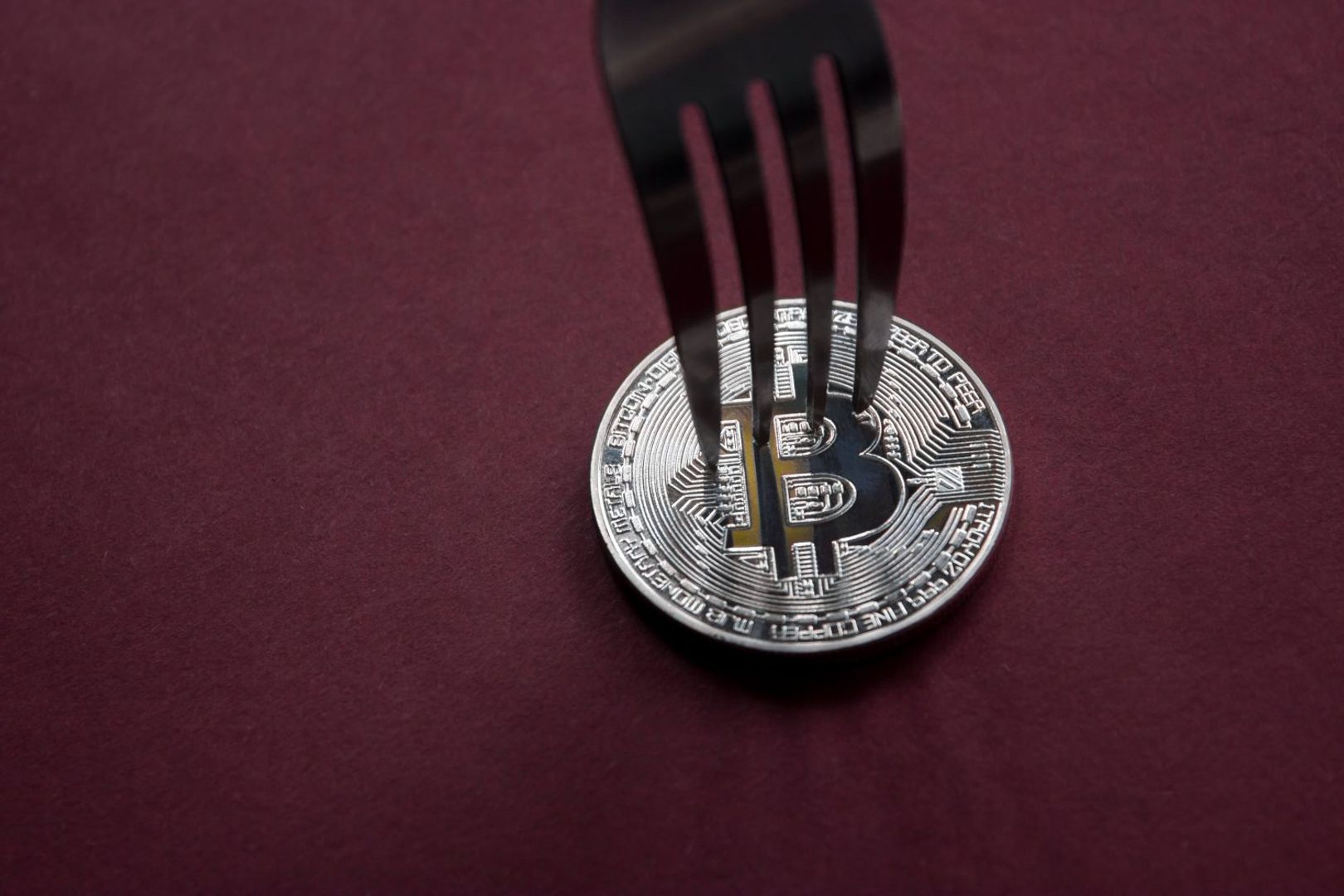
Bitcoin holders stand to lose real BTC this weekend by trying to sell coins from a fork that may not even be worth anything.
Here is how it goes. Bitcoin may split into two chains in the next few days. If it does, everyone who holds bitcoin ends up holding the same balance twice, once on each chain. Then someone offers to buy the new coins at an unusually good price. They look like free money, so selling them can seem like an easy win.
But take the deal and the buyer can take the seller's bitcoin too. Both chains initially accept identical transactions — so a transaction signed to send the fork coins can also be broadcast on bitcoin. The buyer receives the same amount in actual BTC at the same destination.
This is called a replay attack. The safest move for anyone who does not know how to separate the two balances is to leave the coins alone.

A replay does not drain the wallet. Only the coins put up for sale move, and they leave as real bitcoin rather than the fork version, with a transaction fee paid on both chains.
Bitcoin developer Kevin Loaec, who flagged the risk on X this week, said large holders could be targeted first. Doing nothing will be a safer option, he stated, as coins that never move cannot be replayed because there is no signed transaction to copy.
⚠️IMPORTANT⚠️In the next couple of days, a new shitcoin will fork off Bitcoin. It is a big security risk for people who just believe they will get an "airdrop" and want to sell it, to get more bitcoin.
— Kevin Loaec 🧙♂️🐟 (@KLoaec) August 6, 2026
I will write more about it, but here is the TLDR: 👇
How BIP-110 makes this possible
The reason any of this is happening is a proposal called BIP-110, which would keep pictures, text and other non-payment data out of bitcoin transactions for a year.
Changing bitcoin's rules requires miners to agree, and they register that agreement by marking the blocks they produce. BIP-110 needs 1,109 marked blocks out of a 2,016-block stretch, or 55%. (A block is the batch of transactions miners add to the ledger roughly every ten minutes.)
That route is closed but the proposal has a second one written into it. From block 961,632, expected this weekend, computers running BIP-110 software will reject any block that does not carry the mark, whether miners agreed or not.
Almost every block being mined right now does not carry it. So those computers will start rejecting the chain that nearly all of bitcoin's mining power is building.
If some miners continue building a BIP-110-compatible branch while the rest keep mining bitcoin as usual, two competing versions of the transaction history could emerge. It stalls if nobody keeps extending the minority branch, it stalls.
Such an imbalance makes a split possible rather than certain. Miner signalling is running near 2.6% as on Friday, trackers show. That node share does not translate into mining power, however, as with signalling this low, a minority branch could produce blocks very slowly or stop advancing altogether.
As such, if one does emerge, every bitcoin holder initially has the same balance on both chains. The second copy may be worth little or nothing, and somebody may still offer to buy it.
Separating the two balances is harder at first because the fork provides no automatic replay protection. BIP-110's actual restrictions on transaction data do not switch on until block 965,664, expected around the start of September.
Before then, holders would need to deliberately create coins that exist on only one branch before spending safely.
Timing depends on how quickly blocks are found, so the mandatory-signalling window could begin a day earlier or later than current estimates.
- 1
- 2
- 3
- 4
- 5
- 6
- 7
- 8
- 9
- 10
Building the Zcash Machine: Tachyon and Quantum Readiness

Building the Zcash Machine: Tachyon and Quantum Readiness
Zcash’s Tachyon upgrade aims to scale shielded payments, improve quantum readiness, and test whether its funding, security, and governance can hold.
Jun 30, 2026
Zcash’s Tachyon upgrade aims to scale shielded payments, improve quantum readiness, and test whether its funding, security, and governance can hold.
Why it matters:
Zcash’s Tachyon upgrade aims to scale shielded payments, improve quantum readiness, and test whether its funding, security, and governance can hold.