Jul 18, 2026, 4:09 p.m.
3 min read

Summary
- The United States will impose a 25% Section 301 tariff on most Brazilian goods starting July 22, targeting what it calls unfair advantages created by Brazil’s state-run Pix instant-payment system.
- U.S. trade officials argue that Pix’s rules, including free services for individuals and capped merchant fees, disadvantage American payment firms like Visa and Mastercard in a market where Pix now processes more transactions than cards.
- The move comes as U.S. is trying to protect the dollar; however, the U.S. dollar already circulates widely in Brazil’s digital economy via stablecoins.
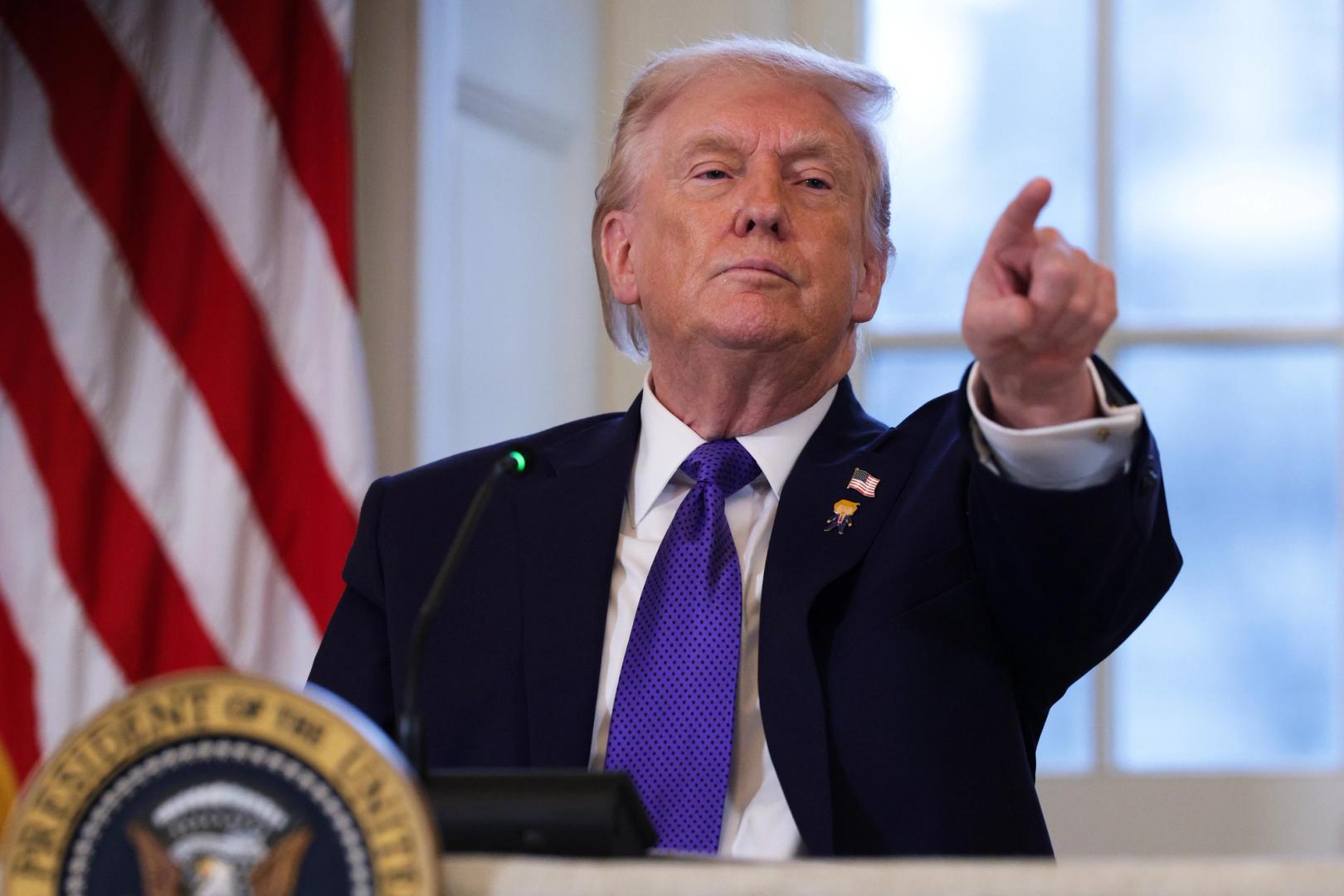
The U.S. will impose a 25% tariff on most Brazilian goods on July 22, its first tariff under a Section 301 strategy the Trump administration revived after the Supreme Court struck down its earlier import taxes.
The case marks the first time Washington has used Section 301, the trade authority traditionally deployed against issues such as intellectual property theft, subsidies and market access, to target a country's domestic payment system.
“Today’s action is necessary to address these unfair trade practices to ensure American workers and companies can compete on a level playing field,” said Ambassador Jamieson Greer in a statement.
Among the practices Washington cites is Pix, Brazil's state-run instant-payment system, used by more than 90% of Brazilian adults and now handling more transactions in the country than credit and debit cards combined. The U.S. Trade Representative argues that Pix disadvantages American payment firms such as Visa and Mastercard, citing a rule requiring financial institutions with more than 500,000 active accounts to offer it to individuals free of charge.
“The Brazilian central bank encourages use of Pix over other services by mandating that participating institutions offer Pix for free to individuals and by capping the fee those institutions may charge businesses for Pix transactions,” The U.S. Trade Representative wrote on X.
While Visa and Mastercard don't break down their market share or revenue from Brazil, Pix has grown rapidly since its November 2020 launch. More than 170 million individuals have used the system, which processed nearly 7 billion transactions worth roughly R$3 trillion ($590 billion) in June, according to central bank data.

Pix handled 42.9 billion transactions in the second half of 2025, compared with 23.8 billion across credit, debit and prepaid cards, underscoring its massive scale of dominance in the country’s payments system.
Pix vs stablecoin
The dispute comes as Washington grows increasingly concerned about efforts by Brazil and other BRICS countries to reduce reliance on dollar-based payment infrastructure. Brazil made local-currency settlement and international payment platforms a policy priority during its 2025 BRICS presidency, though officials said the bloc was not developing a common BRICS currency.
Ironically, demand for the U.S. dollar in the country doesn’t appear to have subsided, as the U.S. dollar already circulates widely in Brazil’s digital economy via blockchain-based payment rails.
Dollar-linked stablecoins already account for roughly 90% of crypto transaction volume in Brazil, most of it used for payments and settlement, according to tax authority data.
Brazil processes between $6 billion and $8 billion in crypto each month, much of it using dollar-denominated stablecoins instead of the country's own currency.
However, even as dollar stablecoins have proliferated, Brazil's central bank has moved to limit their role in regulated cross-border payments. Resolution 561, effective October 1, is set to bar payment firms from settling cross-border payments in stablecoins or other crypto, closing a back-end channel that had routed reais through dollar tokens. The central bank has cast stablecoins as a threat to monetary sovereignty, tax enforcement and anti-money laundering controls.
Pix now faces pressure from both sides after Washington named it a trade barrier, while Brazilian regulators shield it from growing competition from dollar-backed stablecoins.
Pix, however, may not be competing with stablecoins.
“In practice, they are complementary," Rodrigo Caggiano, founder of Brazilian real-world asset monitoring platform RWA Monitor, told CoinDesk. “Pix has addressed domestic instant payments well, while stablecoins expand what is possible by operating on blockchain networks.”
U.S. pressure is likely to accelerate Brazil's regulatory debate on stablecoins and digital financial infrastructure, Caggiano said, as the central bank builds its own tokenized-settlement system, Drex, on similar programmable rails.
What this move does is create a precedent for future trade disputes over governments building their own networks. It could potentially extend beyond Brazil to countries such as India’s Unified Payments Interface (UPI) and the European Central Bank's planned digital euro, according to the Atlantic Council.
- 1
- 2
- 3
- 4
- 5
- 6
- 7
- 8
- 9
- 10