3 minutes ago
3 min read

Summary
- The U.S. Federal Reserve has made two wide-ranging proposals to implement the bulk of its requirements under the GENIUS Act, joining other federal agencies that are still in the middle of the process to finish stablecoin regulations.
- One piece of the Fed proposals governs controversial stablecoin rewards, and the central bank said it sought to closely match the policies already suggested by the Office of the Comptroller of the Currency.
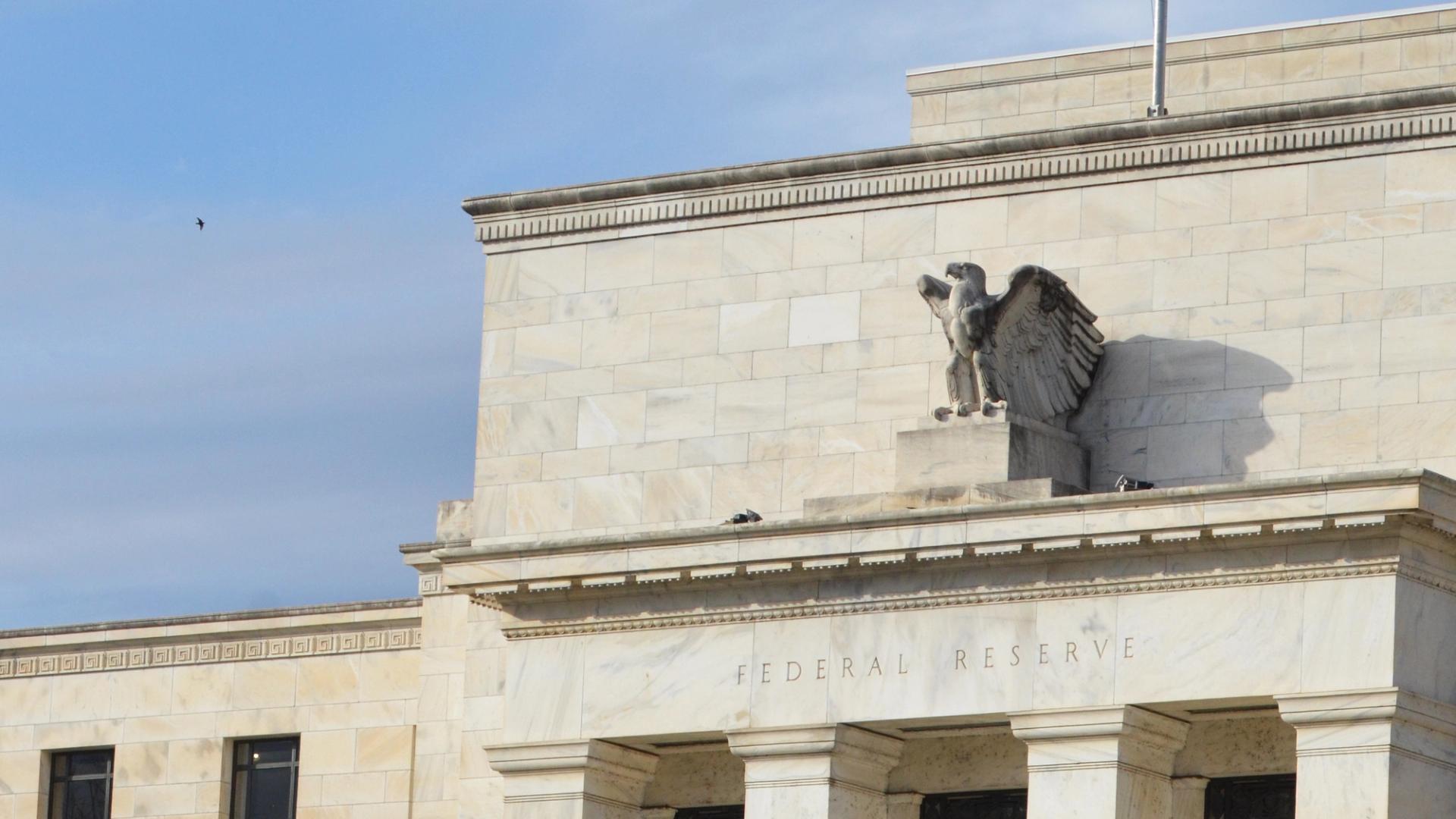
The U.S. Federal Reserve proposed two rules on Thursday that would accomplish its part of the multi-agency work needed to establish stablecoin issuer oversight under the Guiding and Establishing National Innovation for U.S. Stablecoins (GENIUS) Act.
These proposals, which are now open for 60-day public comment periods, would establish the legal safety net behind the tokens being issued and would set up the procedures for Fed-regulated banks to issue stablecoins. Last year's GENIUS Act required the U.S. banking regulators and Treasury Department to put regulations in place by July of 2026, meaning the agencies are all well past the legal deadline, though they've made significant progress in recent months.
The Fed's regulatory approach also echoes the Office of the Comptroller of the Currency's own proposal where it addressed the law's ban on issuers paying interest or yield for holding stablecoins.
"Under the proposal, certain types of arrangements involving third parties would be presumed to be prohibited payments of interest or yield," the Fed wrote, noting that its approach is consistent with the OCC's. Though the regulations aren't final, the agencies seem to be allowing a very narrow approach by crypto platforms to offer stablecoin rewards akin to credit-card incentive programs.
The question of how much companies such as Coinbase could reward stablecoin users was one of the sticking points in the debate over the recently failed Digital Asset Market Clarity Act. As it stands, the GENIUS Act is now the primary law governing stablecoin rewards, because the efforts to revise it in the Clarity Act didn't succeed.
Proposed rules like those offered by the Fed on Thursday need to gather input from the public before the federal regulator can revise them and publish them in final form — a process that usually takes several months, sometimes much longer.
The central bank's first proposal on Thursday governs capital and reserve requirements meant to ensure that the stablecoins are fully represented by the most liquid assets and the issuers have a solid foundation in times of stress. It also outlines accepted stablecoin activities at its supervised banks, and it's the proposal that includes the stablecoin rewards component.
The second proposal sets out the procedures under which a regulated bank can begin pumping out its own stablecoins, including providing a "business plan; financial information; relevant policies, procedures, and other documents."
"Stablecoins will only be stable if they can be reliably and promptly redeemed at par in a range of conditions," said Fed Governor Michael Barr, who ran the Fed's supervision program before the administration of President Donald Trump, in a statement. "This includes during market stress, when pressure can be put on the value of even otherwise liquid government debt, and during episodes of strain on the individual issuer or its related entities."
Last month, the Treasury Department proposed its own part of the process to implement GENIUS, outlining federal definitions on what it means to issue U.S. stablecoins and who needs to follow the rules set out under the law. The Federal Deposit Insurance Corp. had started the process in December, as the first of many federal entities that needed to set its part of the law into regulations. In June, multiple agencies proposed requiring stablecoin issuers to approach the identification of their users just like other regulated financial firms.
- 1
- 2
- 3
- 4
- 5
- 6
- 7
- 8
- 9
- 10
The Definitive Stablecoin Landscape Series: Asia Pacific

The Definitive Stablecoin Landscape Series: Asia Pacific
As stablecoins move into regulated finance, APAC is becoming a key proving ground. This report maps the region’s rules, use cases, and RLUSD’s role.
Sep 15, 2026
As stablecoins move into regulated finance, APAC is becoming a key proving ground. This report maps the region’s rules, use cases, and RLUSD’s role.
Why it matters:
As stablecoins move into regulated finance, APAC is becoming a key proving ground. This report maps the region’s rules, use cases, and RLUSD’s role.