In brief
- Texas Tech has secured a $70 million, 15-year naming rights deal with Galaxy Digital to rebrand its football stadium.
- The partnership establishes Galaxy as the official digital assets partner and creates new NIL opportunities for student-athletes.
- This deal supports Galaxy’s strategic shift from crypto trading toward large-scale AI and high-performance computing infrastructure in Texas.
Starting with the 2026 season, Texas Tech's football stadium—currently Jones AT&T Stadium—will be rebranded Galaxy Stadium. Galaxy Digital, the Nasdaq-listed (GLXY) trading, asset-management and data-center company, announced a 15-year naming-rights deal with Texas Tech on Friday.
The timing is convenient for the Red Raiders. Texas Tech just won the Big 12 and made the College Football Playoff. The team opens its new era in Galaxy Stadium on Sept. 5 against Abilene Christian.
"We're pleased to welcome Galaxy as the new naming rights partner of our football stadium," athletics director Kirby Hocutt said in a statement. “This long-term partnership with Galaxy will have a lasting impact on Texas Tech Athletics.”
With this deal, worth more than $70 million, Galaxy becomes the official data center and digital assets partner of Texas Tech Athletics, with branding across football and men's and women's basketball, plus NIL opportunities for student-athletes through "branded activation campaigns and original content."
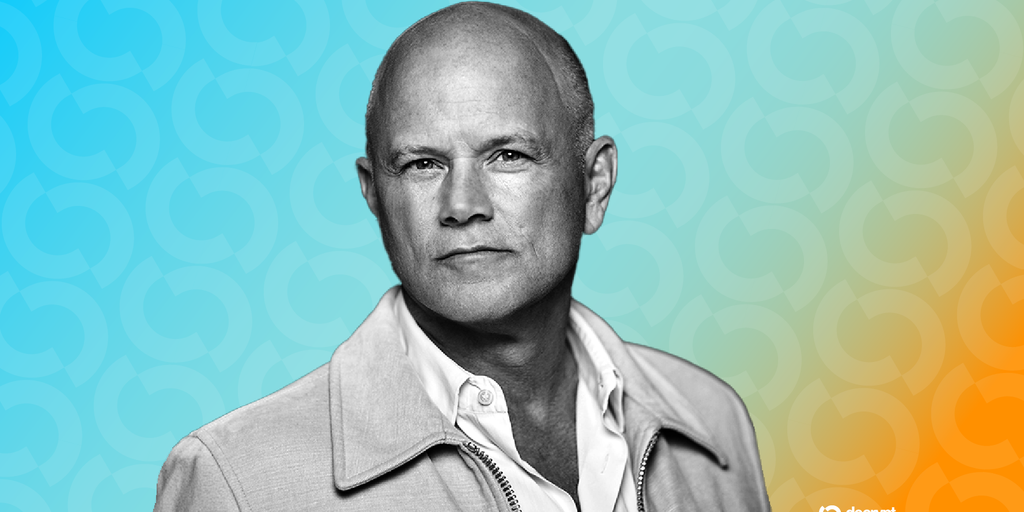
"At our Helios campus in nearby Dickens County, we're building the infrastructure that powers the code economy," Galaxy CEO Mike Novogratz said.
Galaxy is pouring billions into Helios, a data-center campus in Dickens County with 1.6 gigawatts of approved capacity for high-performance computing. Novogratz called it "the infrastructure that powers the code economy," and promised to hire locally and "be a good neighbor."
Why would a crypto firm want a football stadium? Visibility and credibility—and naming rights buy both. Crypto.com did it with the F1 Miami Grand Prix. FTX tried it with an NBA arena — right before it imploded, a useful reminder that 15-year deals with crypto companies carry 15-year risk.
Galaxy itself has had a volatile ride. Its shares dove after a $482 million quarterly loss, and it has pivoted hard from pure crypto trading toward the steadier, power-hungry business of AI and HPC data centers.
That pivot is the strategic logic. Bitcoin miners and crypto-native firms are becoming the unexpected landlords of the AI boom, Bernstein calls them "unlikely power brokers" in the infrastructure race. Galaxy's Helios buildout is among the largest in North America.
But gigawatt-scale data centers in drought-prone West Texas are drawing a backlash over water and grid strain, and Galaxy's "closed-loop" water system will get tested by exactly that scrutiny.
Daily Debrief Newsletter
Start every day with the top news stories right now, plus original features, a podcast, videos and more.