4 min ago
4 min read

Summary
- Senate Majority Leader filed the motion to proceed on the Digital Asset Market Clarity Act early Saturday, after a marathon overnight Senate voting session.
- While the motion came too late for the Senate to vote on the crypto market structure bill before the body breaks for its August recess, the move sets the bill up for an initial vote almost immediately after the Senate returns next month.
- There are a number of outstanding issues lawmakers need to come to agreements on for a successful vote, including government ethics, law enforcement provisions and stablecoin yield and rewards.
The U.S. Senate is finally leaping into the first procedural votes on the crypto Digital Assets Market Clarity Act, after the leadership moved early Saturday to start official floor action on the crypto market structure bill, marking the farthest progress yet for the industry's central policy effort.
But this key advance announced after a marathon overnight voting session comes after the bill has missed its window to get a vote before the Senate's summer break, leaving it in a long-shot position to get approval in September. Though the Clarity Act's chances are hanging by a thread, it would likely have been declared dead for 2026 without at least this first important movement.
"We, the undersigned senators … hereby move to bring to a close debate on the motion to proceed to calendar number 423, [House Resolution] 3633, an act to provide for a system of regulation of the offer and sale of digital commodities by the Securities and Exchange Commission and the Commodity Futures Trading Commission, and so forth and for other purposes," the clerk said reading the filing.
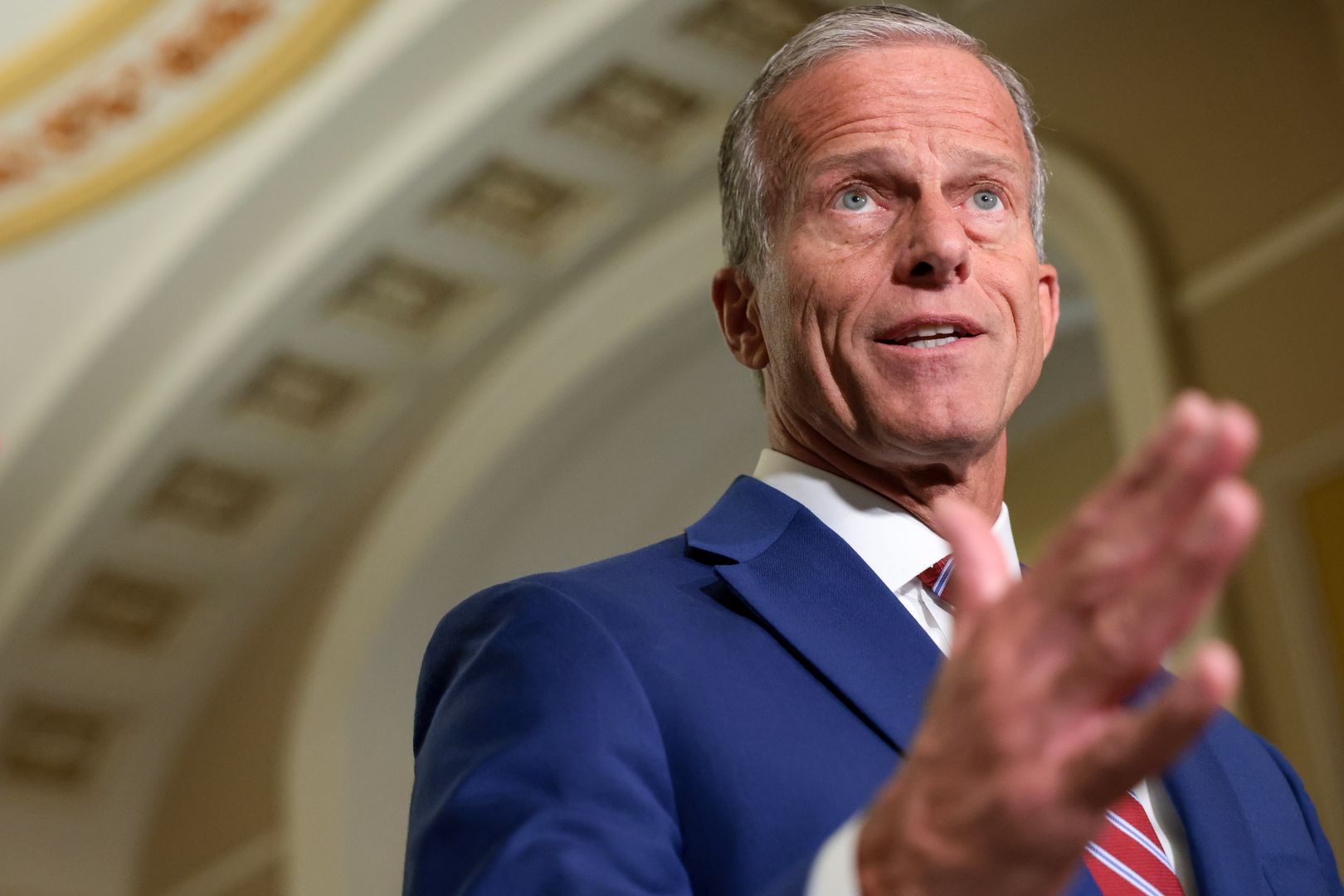
The legislation now gets into a crowded line to move through an arcane Senate procedure known as cloture, which involves a number of steps and waiting periods before a disputed piece of legislation can reach a final vote. Clarity joins a number of other unfinished bills heading toward a three-week window of Senate floor time in September — the final period before Congress leaves Washington and lawmakers devote their attention to the November midterm elections. Still, Majority Leader John Thune's move to begin this process means the Senate can get to its first procedural vote almost immediately after it returns, potentially clearing that initial hurdle on day two of the September session.
The negotiators have several weeks to come up with answers for a number of disagreements still hanging over the bill, including the details of its illicit-finance protections, the lingering dispute over stablecoin rewards and its government-ethics provision.
Clarity is likely to require the support of at least 10 Senate Democrats if it's going to clear the 60-vote threshold needed to pass Senate bills. So far, that support has been in doubt as the Democrats who have been most involved in trying to advance the legislation have dug in their heels over Clarity's ban against senior government officials, including President Donald Trump, backing crypto projects.
A revised proposal on that section, written by a bipartisan pair of senators, has sat unanswered for at least a week at the White House. Trump would probably need to sign off before the Clarity Act could move forward as a bipartisan bill.
But negotiations continue on that and other points, and industry insiders are still hoping they can bridge the gaps and fulfill their top goal for 2026. Senate and industry staffers both told CoinDesk on Friday, after Thune confirmed there wouldn't be a vote on Clarity in August, that the September timeline was doable should lawmakers come to an agreement on these issues. From a strict timeline perspective, Senators only need a handful of days across the three weeks they'll be in session next month to get through the voting process.
Senate Majority Leader Thune warned weeks ago that he doubted the bill would get a final vote before the August break, and he had signaled that other Senate work needed more urgent attention, such as bills on federal funding, Russia sanctions and nominations, which the Senate powered through on Friday night. So this last-minute pursuit of the Clarity Act could be marked as a positive sign of optimism from his office.
So what exactly happened on Saturday morning? Thune pursued a formal motion to proceed on this legislation to establish a regulatory regime for the U.S. crypto markets. The process is used for setting up debate on a bill that's set for floor voting but doesn't have a shot at unanimous approval.
Cloture requires 60 yes votes to move forward. Clarity's first test could go one of two ways: The negotiations lead to a sudden pre-vote agreement that convinces a lot of Democrats to get on board, in which case the bill could keep steaming toward a final vote. Or, the procedural vote becomes a political exercise to force resistant lawmakers to make their oppositions official, in which case Clarity becomes a campaign battleground in which crypto political action committees, such as Fairshake, can make spending decisions based on politicians' votes.
If the partisan rift remains when the senators vote, it's highly unlikely that Clarity can become law this year. And next year will start a new Congress — potentially with Democrats controlling the agenda in at least one of the chambers — which would probably require the industry to reset and start anew.
- 1
- 2
- 3
- 4
- 5
- 6
- 7
- 8
- 9
- 10
Building the Zcash Machine: Tachyon and Quantum Readiness

Building the Zcash Machine: Tachyon and Quantum Readiness
Zcash’s Tachyon upgrade aims to scale shielded payments, improve quantum readiness, and test whether its funding, security, and governance can hold.
Jun 30, 2026
Zcash’s Tachyon upgrade aims to scale shielded payments, improve quantum readiness, and test whether its funding, security, and governance can hold.
Why it matters:
Zcash’s Tachyon upgrade aims to scale shielded payments, improve quantum readiness, and test whether its funding, security, and governance can hold.